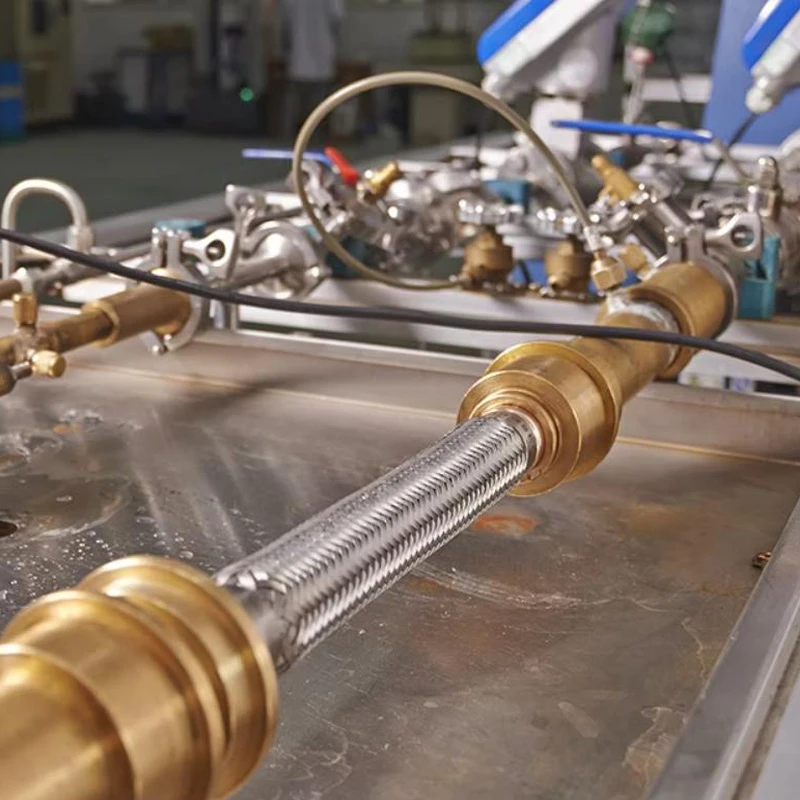
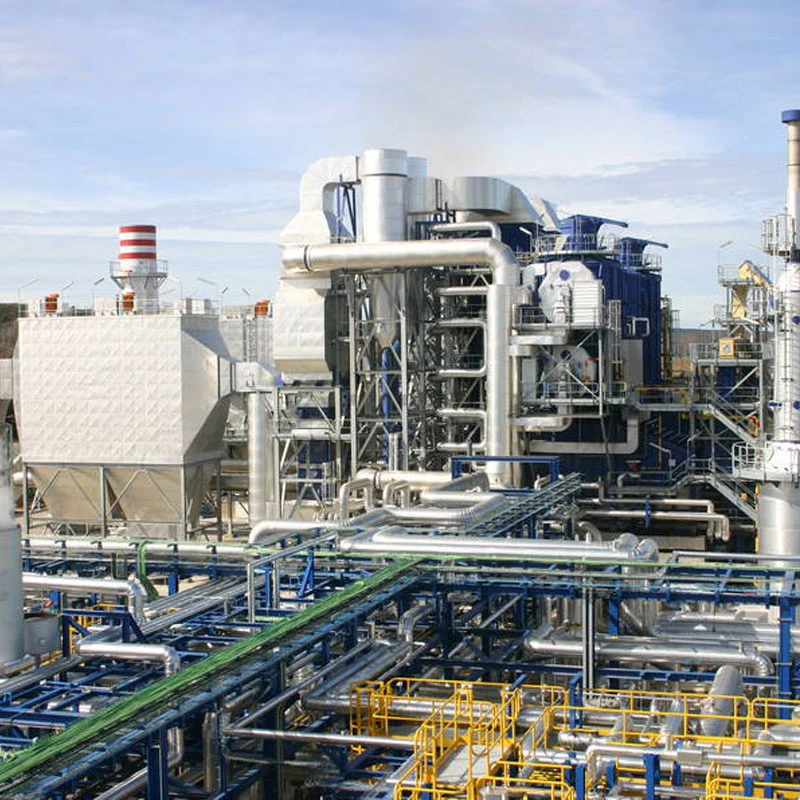
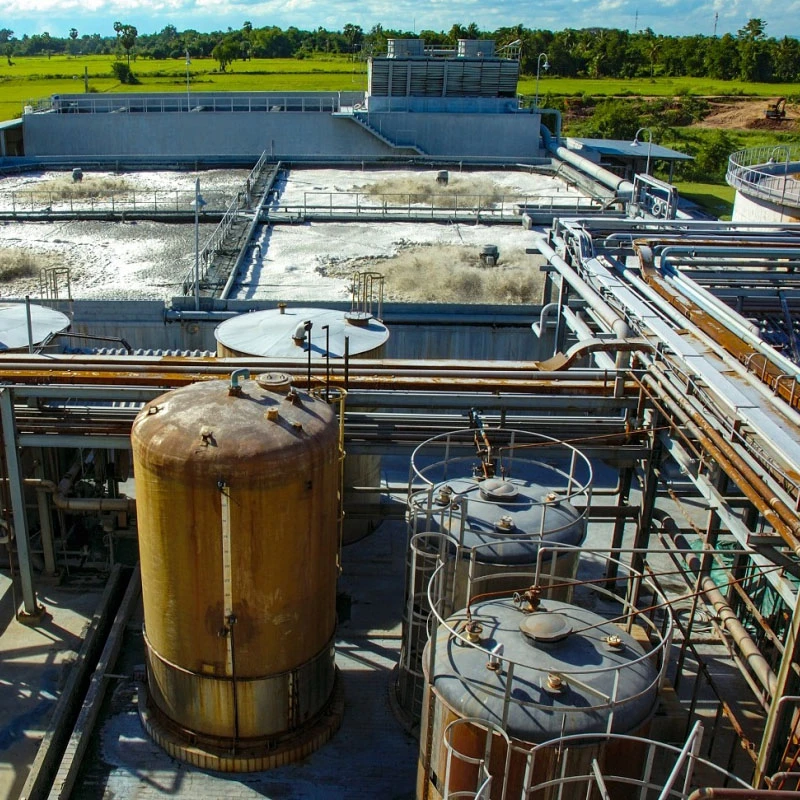
Navigating Industrial Efficiency: An Overview of Advanced Cyclone Separator Technologies In industrial processes, effective particle separation is paramount for operational efficiency, product purity, and environmental compliance. Among the various separation technologies, the cyclone separator stands out for its robust design, cost-effectiveness, and broad applicability. Understanding the diverse types of cyclone separator is crucial for engineers and decision-makers seeking optimal solutions for their specific needs. From basic dust collection to sophisticated fine particle recovery, these devices leverage centrifugal force to separate particulate matter from gas or liquid streams. This article delves into the technical intricacies, manufacturing excellence, diverse applications, and strategic advantages offered by modern cyclone separator solutions, with a focus on delivering high-performance and reliable systems tailored for demanding B2B environments. Industry Trends and Evolving Demands The industrial landscape is continually evolving, driven by stringent environmental regulations, escalating energy costs, and the need for higher production efficiencies. This has led to a significant shift in the design and deployment of separation technologies. Current trends for industrial separators, including the various types of cyclone separator , include: Enhanced Efficiency: Demand for separators capable of achieving higher collection efficiencies, particularly for sub-micron particles, necessitating advanced computational fluid dynamics (CFD) in design. Corrosion and Abrasion Resistance: Increased use of specialized materials and coatings to extend service life in harsh, abrasive, or corrosive environments (e.g., high-temperature flue gas, chemical processing). Energy Optimization: Focus on designs that minimize pressure drop while maintaining separation performance, directly contributing to lower operational energy consumption. Smart Integration: Integration with IoT and sensor technologies for real-time monitoring of performance, predictive maintenance, and process optimization. Customization: A growing need for bespoke solutions that precisely match unique process parameters, rather than off-the-shelf products. These trends highlight a move towards more sophisticated, durable, and energy-efficient separation systems, underscoring the importance of selecting the right technology provider and the appropriate types of cyclone separator for long-term operational success. Understanding the Manufacturing Process of Advanced Cyclone Separators The reliability and performance of any cyclone separator begin with its manufacturing process. At QW Metal, the production of various types of cyclone separator follows a meticulously engineered process to ensure superior quality, durability, and operational excellence. This comprehensive approach incorporates advanced material science, precision engineering, and rigorous testing standards. Detailed Process Flow: From Concept to Commissioning Design and Material Selection: Utilizing advanced CAD/CAE software, our engineers design each cyclone separator to meet specific application requirements, including gas flow rates, particle size distribution, temperature, and pressure. Material selection is critical, with options ranging from robust carbon steel (e.g., SA-516 Grade 70) for general industrial applications to high-grade stainless steels (e.g., SS304, SS316L) for corrosive environments. For extreme conditions, specialized alloys like Hastelloy, Inconel, or ceramic linings are employed to ensure resistance to high temperatures, aggressive chemicals, or severe abrasion, thereby extending the service life significantly. This initial phase defines the structural integrity and performance envelope for specific types of cyclone separator . Precision Fabrication (Cutting, Forming, Welding): High-precision CNC laser and plasma cutting systems are used to cut steel plates to exact dimensions, minimizing material waste and ensuring perfect component fit. Plate rolling machines then form cylindrical and conical sections with high accuracy. Welding processes, including TIG (Tungsten Inert Gas) and MIG (Metal Inert Gas), are performed by certified welders, often utilizing robotic welding for consistency and strength. All welds undergo Non-Destructive Testing (NDT) such as ultrasonic testing or radiographic inspection to ensure structural integrity according to standards like AWS D1.1/D1.6. CNC Machining and Surface Finishing: Critical components, such as the vortex finder and inlet plenum, often undergo CNC machining to achieve precise tolerances, which directly impact separation efficiency. After fabrication, components may receive surface treatments like shot blasting for optimal adhesion of protective coatings. For abrasive applications, specialized wear-resistant linings (e.g., basalt, ceramics, or abrasion-resistant steels like Hardox) are applied. For corrosion resistance, internal surfaces might be polished or coated with fluoropolymers. Assembly and Integration: Components are meticulously assembled, ensuring all connections are sealed and aligned. Depending on the specific types of cyclone separator , this may involve integrating multiple cyclones into a battery arrangement for increased capacity or efficiency, or coupling with ancillary equipment like rotary valves or dust collection hoppers. Rigorous Testing and Quality Assurance: Every unit undergoes comprehensive quality checks. This includes hydrostatic testing to verify leak tightness and pressure integrity (e.g., ANSI/ASME B31.3), dimensional inspection, and, for critical applications, performance testing (e.g., particle collection efficiency, pressure drop) under simulated conditions. Our processes adhere to international standards such as ISO 9001 for quality management and relevant industry codes (e.g., ASME, EN). This rigorous testing ensures that each sand cyclone separator or micro cyclone separator meets its design specifications and performs reliably in its intended application. Final Inspection and Certification: Before shipment, a final inspection confirms all specifications are met. Products are certified, providing customers with complete documentation, including material certificates, NDT reports, and operational manuals. This commitment to quality ensures a long service life, typically exceeding 15-20 years with proper maintenance, significantly benefiting target industries such as petrochemical, metallurgy, power generation, and water supply & drainage by offering advantages like energy saving through optimized flow and superior corrosion resistance. A high-performance industrial cyclone separator in an advanced manufacturing facility. Technical Specifications and Operating Parameters of types of cyclone separator Understanding the critical technical specifications and operating parameters is essential for selecting the appropriate cyclone separator. These devices operate on the principle of centrifugal force, where a high-velocity tangential inlet stream creates a vortex, forcing heavier particles to the outer wall and down to the dust outlet, while cleaner gas exits through the top. Key Structural and Performance Parameters: Inlet Velocity: Crucial for generating the centrifugal force. Higher velocities generally improve efficiency but increase pressure drop. Cyclone Diameter (Dc): A primary sizing parameter. Smaller diameters typically lead to higher collection efficiencies for finer particles but have lower flow capacities and higher pressure drops. This is especially true for a micro cyclone separator . Vortex Finder Diameter (De): Determines the diameter of the inner vortex and influences the pressure drop and cut-point. Cone Angle: Affects particle residence time and the path of the inner vortex. Steeper cones can improve efficiency but may increase wear. Collection Efficiency (η): The percentage of particulate matter removed from the gas stream. It is highly dependent on particle size, density, gas viscosity, and cyclone geometry. Pressure Drop (ΔP): The energy loss across the cyclone, a key operational cost factor. Optimized designs aim to balance efficiency with minimal pressure drop. Cut Point Diameter (dpc): The particle size at which 50% of the particles are collected. A lower cut point indicates higher efficiency for finer particles. Product Specification Table: Typical Cyclone Separator Parameters Parameter Range / Type Typical Application Design Capacity (Gas Flow Rate) 500 - 150,000 m³/h Dust collection, material recovery Material of Construction Carbon Steel (SA-516 Gr. 70), SS304, SS316L, Hastelloy C276, Ceramic Lined General, Corrosive, Abrasive, High Temp Operating Temperature Up to 1000°C (with refractory lining) Flue gas, catalytic cracking Operating Pressure Full vacuum to 50 bar(g) Process gas separation Particle Cut Point (dpc) 2 µm to 20 µm (varies by design) Fine dust removal, coarse particle separation Collection Efficiency 80% - 99%+ (for target particle size) Environmental compliance, product recovery Pressure Drop 500 Pa - 2500 Pa Energy consumption consideration These parameters are meticulously balanced during the design phase to achieve optimal performance for specific applications. For instance, a micro cyclone separator will have a significantly smaller cut point and potentially higher pressure drop compared to a standard industrial cyclone, reflecting its specialized role in fine particle capture. Key Technical Advantages of Advanced types of cyclone separator Modern cyclone separators, especially those designed with advanced engineering principles, offer several distinct advantages over alternative separation technologies or older designs. These benefits contribute directly to lower operational costs, improved process reliability, and enhanced environmental performance. Robust Construction and Low Maintenance: With no moving parts, cyclone separators are inherently reliable. Their solid construction, often from abrasion and corrosion-resistant materials, ensures long operational life and minimal maintenance requirements, reducing downtime and total cost of ownership. High-Temperature and Pressure Capability: Unlike bag filters or electrostatic precipitators, cyclones can operate efficiently at extremely high temperatures (up to 1000°C) and pressures, making them ideal for challenging process environments in petrochemicals, metallurgy, and power generation. Cost-Effectiveness: Compared to more complex fine particle removal systems, the capital and operating costs of cyclone separators are generally lower. Their simplicity of design translates to easier installation and reduced maintenance expenses. Energy Efficiency: While cyclones do incur a pressure drop, optimized designs minimize this, leading to reduced energy consumption for fans or blowers. This is a significant energy saving advantage in continuous operation scenarios. Versatility in Particle Handling: They can handle high dust loadings and a wide range of particle sizes, from coarse to fine, with different types of cyclone separator being optimized for specific ranges. For instance, a sand cyclone separator is highly effective for coarser, denser particles. Chemical and Corrosion Resistance: The ability to fabricate cyclones from a wide array of specialized alloys and apply advanced coatings means they can withstand highly corrosive process streams, ensuring system integrity and longevity. Space Efficiency: Cyclone separators have a relatively compact footprint for their given capacity, making them suitable for installations where space is a constraint. These technical advantages underscore why cyclone separators remain a foundational technology for particle separation across a multitude of industrial applications, offering a balance of performance, durability, and economic viability. Application Scenarios Across Diverse Industries The versatility of the types of cyclone separator allows for their deployment in an extensive range of industrial applications, addressing critical needs such as emission control, product recovery, and equipment protection. QW Metal provides tailored solutions that consistently meet the stringent demands of various sectors. Petrochemical Industry: Critical for catalyst recovery in fluid catalytic cracking (FCC) units, where even small losses can be costly. They are also used for removing particulate matter from flue gases and process streams to protect downstream equipment and meet environmental regulations. Metallurgy and Foundries: Essential for dust collection from furnace exhaust gases, grinding operations, and smelting processes. This not only improves air quality but also allows for the recovery of valuable metal dust and fines. Cement and Mining: Widely used for separating raw material fines, clinker dust, and kiln exhaust. In mining, sand cyclone separator designs are particularly effective in classifying minerals and removing coarser solids from slurries. Power Generation (Coal-fired plants): Employed to remove fly ash from boiler exhaust streams, often as a primary stage before more advanced particulate control devices. Pharmaceutical and Food Processing: Micro cyclone separator units are used for fine powder recovery (e.g., spray drying, milling) and ingredient separation, ensuring product purity and preventing losses in processes where hygiene and material integrity are paramount. Water Supply & Drainage: Hydrocyclones (a specific type of cyclone separator) are extensively used for removing sand, silt, and other suspended solids from water sources, protecting pumps, filters, and other downstream infrastructure, enhancing water quality, and reducing maintenance. Woodworking and Agriculture: For collecting sawdust, wood chips, grain dust, and other fibrous materials, improving workplace safety and recovering marketable by-products. Customer feedback consistently highlights the robust performance and reliability of our cyclone separators, even in the most challenging industrial environments. For example, a major chemical producer reported a 98% reduction in catalyst loss after installing a QW Metal multi-cyclone system, leading to significant material cost savings and improved process uptime. Our sand cyclone separator has been praised by municipal water treatment plants for its effectiveness in pre-filtration, extending the lifespan of their membrane systems by over 30%. Vendor Comparison: Why Choose QW Metal for Your Cyclone Separator Needs? The market offers a range of suppliers for industrial separation equipment. When evaluating different providers of types of cyclone separator , it's crucial to consider not just initial cost but also long-term performance, engineering expertise, and support. QW Metal stands apart through its commitment to innovation, quality, and customer-centric solutions. Product Comparison Table: QW Metal vs. Industry Peers Feature / Aspect QW Metal Competitor A (Generalist) Competitor B (Budget) Engineering Expertise & Design Advanced CFD, highly customized, optimized for efficiency/pressure drop. Standard designs, limited customization. Basic designs, off-the-shelf. Material Selection & Durability Extensive range (Carbon, SS, Alloys, Ceramics), wear/corrosion resistant focus. Limited material options, standard industrial grade. Economical materials, shorter lifespan. Collection Efficiency (for < 10µm particles) High (up to 95% for 5µm), optimized for fine particles (e.g., micro cyclone separator ). Moderate (70-85% for 5µm). Lower (50-70% for 5µm). Pressure Drop Optimization Minimized through design iterations, significant energy savings. Standard pressure drop. Higher pressure drop, increased energy use. Certifications & Standards ISO 9001, ASME, TUV, PED, API, etc. Basic ISO, some regional. Minimal or no certifications. After-Sales Support & Warranty Comprehensive support, extended warranty options, global service network. Standard warranty, regional support. Limited warranty, minimal support. QW Metal's competitive edge lies in its deep understanding of particle separation dynamics and its ability to translate this knowledge into high-performance, durable, and energy-efficient solutions. Our decades of service in the industry, coupled with strategic partnerships with leading engineering firms, solidify our position as an authoritative provider of customized cyclone separation technologies. Customized Solutions and Engineering Expertise Recognizing that no two industrial processes are identical, QW Metal specializes in delivering highly customized types of cyclone separator to precisely match unique operational requirements. Our engineering team leverages extensive experience and advanced simulation tools to design solutions that optimize performance, minimize operational costs, and maximize return on investment. Tailored Design for Optimal Performance: Process Parameter Matching: We analyze specific gas flow rates, particle size distributions, temperature and pressure conditions, and particle characteristics to design the optimal cyclone geometry (diameter, cone length, inlet and outlet dimensions). Material Adaptation: Beyond standard carbon and stainless steels, we offer bespoke material selections, including high-nickel alloys (e.g., Incoloy), specialized ceramics, and refractory linings, for extreme corrosion, abrasion, or high-temperature applications. This ensures prolonged service life and reduced maintenance. Configuration Flexibility: From single, large-diameter cyclones for high flow rates and coarse particles to multi-cyclone arrays (cyclone batteries) for enhanced efficiency and capacity, or even a compact micro cyclone separator for fine particle capture, our designs are scalable and adaptable. Integration with Existing Systems: Our engineers work closely with clients to ensure seamless integration of the new separator into existing ductwork, hoppers, and control systems, minimizing disruption and maximizing operational synergy. Advanced Modeling and Simulation: Utilizing Computational Fluid Dynamics (CFD) and Finite Element Analysis (FEA), we predict and optimize performance characteristics such as collection efficiency, pressure drop, and structural integrity before fabrication, significantly reducing design risks and development time. This bespoke approach ensures that whether the requirement is for a robust sand cyclone separator in a mining operation or a high-efficiency micro cyclone separator for pharmaceutical use, QW Metal delivers a solution that is perfectly aligned with the client's operational goals and regulatory compliance. Real-world Application Case Studies Our commitment to engineering excellence is best demonstrated through the successful implementation of our cyclone separator solutions in challenging industrial environments. Here are a few examples showcasing the impact of various types of cyclone separator provided by QW Metal: Case Study 1: Enhanced Catalyst Recovery in a Petrochemical Plant A major petrochemical client was experiencing significant catalyst losses from their fluid catalytic cracking (FCC) unit, impacting operational costs and environmental compliance. QW Metal engineered a custom multi-cyclone system, incorporating specialized high-temperature alloys and optimized geometry based on extensive CFD analysis. Post-installation, the plant reported a 99.2% collection efficiency for particles > 5 µm, reducing catalyst makeup by 18% annually and ensuring compliance with stringent local emission standards. The improved efficiency of this specific types of cyclone separator resulted in millions of dollars in savings. Case Study 2: Fine Particle Capture in Pharmaceutical Manufacturing A pharmaceutical company required ultra-fine powder recovery from a spray drying process to minimize product loss and prevent cross-contamination. Traditional cyclones were inadequate. QW Metal designed and implemented a series of precision-engineered micro cyclone separator units, fabricated from polished SS316L for hygiene. These units achieved a cut point of 2.5 µm with an overall efficiency of 97.5%, significantly reducing product waste and maintaining the highest standards of purity, critical for this sensitive industry. Case Study 3: Sediment Removal in Municipal Water Treatment A municipal water treatment facility faced constant issues with high sediment loads clogging their filtration systems, leading to frequent backwashing and increased operational costs. QW Metal provided a robust sand cyclone separator system designed for high flow rates and continuous operation. This hydrocyclone system efficiently removed >95% of sand and grit particles down to 50 µm before the main filtration stage. This pre-treatment dramatically extended the lifespan of their membrane filters by 40%, reduced maintenance downtime by 60%, and resulted in substantial savings on chemical cleaning and filter replacement. Ensuring Trust: FAQs, Lead Time, Warranty, and Support At QW Metal, we understand that trust is built on transparency, reliability, and unwavering support. We are committed to providing exceptional service throughout the lifecycle of our types of cyclone separator , from initial inquiry to long-term operation. Frequently Asked Questions (FAQs) Q1: What is the typical lead time for a custom cyclone separator? A1: Lead times vary based on the complexity of the design, material availability, and current production schedules. Standard units typically range from 8-12 weeks, while highly customized or large-scale projects may require 16-24 weeks. We provide a detailed project timeline upon order confirmation. Q2: What kind of warranty does QW Metal offer on its cyclone separators? A2: QW Metal provides a comprehensive 12-month warranty from commissioning or 18 months from shipment (whichever comes first) against manufacturing defects and material failures under normal operating conditions. Extended warranty options are available upon request for specific types of cyclone separator . Q3: Can QW Metal assist with installation and commissioning? A3: Yes, we offer optional on-site supervision for installation and commissioning to ensure optimal performance and seamless integration with your existing systems. Our experienced technicians provide guidance and support to your operational teams. Q4: How do I select the right types of cyclone separator for my application? A4: Our engineering team is available for consultation. We require detailed information on your process (gas/liquid flow rate, temperature, pressure, particle size distribution, material characteristics, desired efficiency) to recommend the most suitable design, whether it's a sand cyclone separator or a specialized micro cyclone separator. Lead Time and Fulfillment Our streamlined project management and manufacturing processes ensure efficient order fulfillment. We maintain a robust supply chain for critical raw materials, allowing us to meet project deadlines consistently. For urgent requirements, expedited manufacturing options can be discussed. Each project is assigned a dedicated project manager to ensure clear communication and on-time delivery. Warranty Commitments Beyond our standard warranty, QW Metal offers performance guarantees for specified collection efficiencies and pressure drops when the unit is operated within its design parameters. Our commitment extends to providing comprehensive documentation, including material test reports, quality control records, and operational manuals, reinforcing the trustworthiness of our products. Customer Support and After-Sales Service QW Metal provides extensive after-sales support, including technical assistance, troubleshooting, and spare parts supply. Our global service network ensures that expert help is readily available to maintain the peak performance of your cyclone separator. We also offer training programs for your operating and maintenance personnel to maximize equipment longevity and efficiency. Conclusion The selection and implementation of the right types of cyclone separator are pivotal for achieving operational excellence, meeting environmental mandates, and ensuring long-term profitability in diverse industrial settings. QW Metal stands as a trusted partner, offering unparalleled expertise in designing, manufacturing, and deploying advanced cyclone separator solutions. Our commitment to precision engineering, robust material selection, comprehensive quality assurance, and exceptional customer support ensures that our clients receive systems that are not only high-performing and durable but also perfectly tailored to their unique process requirements. By choosing QW Metal, industries invest in reliable, energy-efficient, and sustainable particle separation technology designed for the future. References Coulson & Richardson's Chemical Engineering, Vol 2: Particle Technology and Separation Processes. Butterworth-Heinemann. Environmental Science & Technology, "Advanced Cyclone Design for Fine Particulate Control". American Chemical Society. Journal of Chemical Engineering Research and Design, "Optimization of Cyclone Separator Performance using CFD". Elsevier. Perry's Chemical Engineers' Handbook. McGraw-Hill Education.